
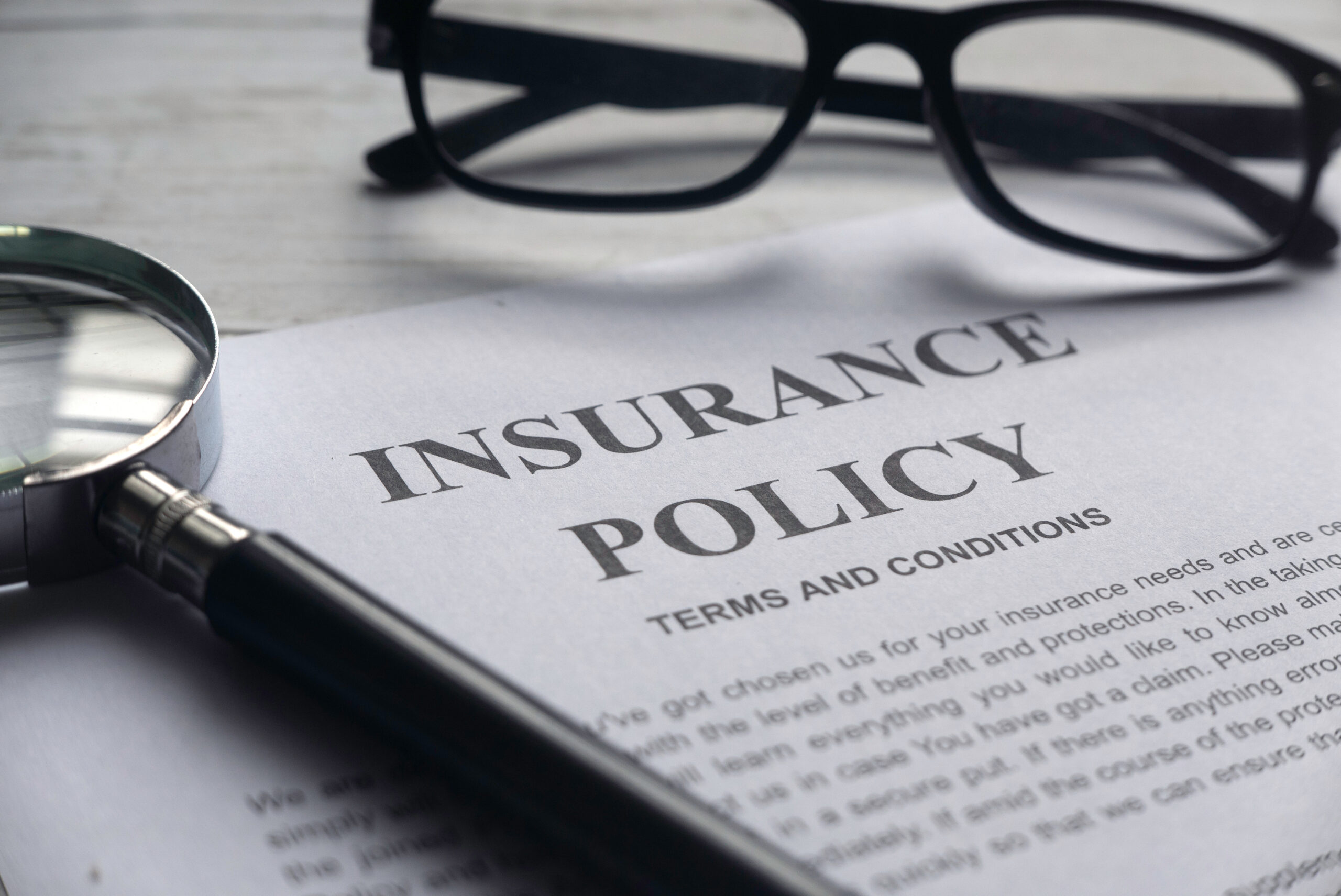
Insurance Coverage Disputes in Texas: How Insurers Deny Claims—and How Policyholders Fight Back
When an insurance claim is denied, delayed, or underpaid, Texas policyholders are often left wondering whether the insurer’s decision is truly justified—or simply a calculated tactic to avoid payment.
In the high-stakes landscape of insurance coverage disputes, the difference between a valid denial and an unlawful refusal to pay can hinge on fine print, investigation practices, and how Texas law is applied. For businesses and consumers in the auto industry, these disputes often carry significant financial and operational consequences. Understanding your rights—and when an insurer may have crossed the line—is critical to protecting your interests. At The Capital, we help policyholders navigate complex insurance coverage disputes under Texas law, advocating for fair treatment and meaningful recovery when insurers fail to honor their obligations.
Understanding Insurance Coverage Disputes in Texas
Insurance coverage disputes arise when an insurer and policyholder disagree about whether a claim is covered under the terms of an insurance policy. In Texas, these disputes commonly involve auto insurance, commercial policies, garage liability coverage, fleet insurance, property damage, and business interruption claims connected to vehicle operations.
For businesses and consumers in the automotive sector—such as dealerships, fleet operators, rental companies, repair facilities, and individual drivers—coverage disputes can be financially devastating. Insurers often rely on complex policy language, exclusions, and technical defenses that leave policyholders at a disadvantage unless they understand their legal rights.
At The Capital, our civil litigation practice regularly handles insurance coverage disputes involving auto-industry risks, helping policyholders challenge improper denials and enforce the benefits they paid for.
Common Reasons Insurers Deny Claims
Insurance companies rarely deny claims outright without citing a reason. However, many of the most common justifications are legally questionable when scrutinized closely.
- Policy Exclusions and Limitations: Insurers frequently rely on exclusions buried deep within policy language. Common examples include exclusions for certain vehicle uses, commercial activity, employee conduct, or alleged misrepresentations during underwriting. In Texas, exclusions must be clearly stated and narrowly construed—ambiguous exclusions are often interpreted in favor of coverage.
- Alleged Misrepresentation or Fraud: Insurers may claim the policyholder misrepresented facts during the application process or during the claim itself. In auto-related claims, this can involve vehicle usage, mileage, ownership structure, or driver history. Texas law places a high burden on insurers to prove that an alleged misrepresentation was material and intentional.
- Failure to Meet Policy Conditions: Another common tactic is alleging that the policyholder failed to comply with notice requirements, documentation deadlines, or cooperation clauses. While insurers can enforce reasonable conditions, Texas courts often reject denials based on technical or harmless delays.
- Coverage Interpretation Disputes: Insurance policies are contracts, and disputes often center on how specific terms should be interpreted. Insurers may take overly narrow interpretations of coverage provisions, particularly in commercial auto and fleet policies. Texas courts generally require policies to be interpreted according to their plain meaning, with ambiguities resolved in favor of the insured.
Bad Faith Insurance Practices in Texas
Texas law prohibits insurers from engaging in unfair or deceptive practices when handling claims. An insurer may be acting in bad faith if it denies a claim without a reasonable basis, fails to properly investigate, misrepresents policy terms, or delays payment without justification.
Bad faith conduct can include refusing to explain a denial, shifting rationales during the claims process, or pressuring policyholders to accept undervalued settlements. For auto-industry businesses facing operational disruptions, these tactics can compound financial losses.
How Policyholders Can Fight Back
At The Capital, our civil litigation attorneys have extensive experience in Texas breach of contract and fraud claims, particularly in the auto industry. We Policyholders are not powerless when an insurer denies coverage. Texas law provides several avenues to challenge improper denials and hold insurers accountable.
The first step is a careful review of the insurance policy, including declarations, endorsements, exclusions, and definitions. Coverage disputes often turn on nuanced language that insurers hope policyholders overlook.
Next, it is critical to examine the insurer’s investigation process. Texas law requires insurers to conduct a prompt, thorough, and fair investigation before denying a claim. A rushed or incomplete investigation can support a breach of contract or bad faith claim.
Policyholders may also pursue statutory remedies under the Texas Insurance Code, which allows recovery of damages, interest, and attorneys’ fees in certain cases. In egregious situations, policyholders may also seek extra-contractual damages.
At The Capital, our litigation team works closely with businesses and individuals in the auto industry to identify insurer misconduct, build strong coverage arguments, and pursue litigation or negotiated resolutions when necessary.
Why Auto-Industry Claims Are Especially Complex
Insurance disputes involving vehicles and automotive businesses present unique challenges. Policies often involve layered coverage, multiple insured parties, and specialized endorsements. Disputes may arise from accidents, inventory losses, title issues, repair disputes, or fleet operations.
Insurers frequently attempt to classify losses in ways that limit coverage, such as labeling a claim as operational rather than accidental, or attributing losses to excluded conduct. Successfully challenging these positions requires a deep understanding of both insurance law and the realities of the automotive industry.
The Role of Experienced Civil Litigation Counsel
Insurance companies have teams of adjusters, coverage counsel, and defense attorneys working to protect their financial interests. Policyholders deserve the same level of advocacy.
A civil litigation firm with experience in insurance coverage disputes and auto-industry litigation can level the playing field by analyzing policy language, identifying bad faith conduct, and aggressively pursuing coverage through negotiation or litigation.
Our firm focuses on results-driven representation for policyholders facing insurance disputes, particularly those tied to auto-related operations, commercial risks, and complex coverage issues.
Final Thoughts
Insurance policies are meant to provide protection—not roadblocks—when losses occur. If an insurer denies your claim, delays payment, or relies on questionable interpretations of policy language, it may be time to challenge that decision.
Understanding your rights under Texas law is the first step toward enforcing coverage and holding insurers accountable. With experienced civil litigation counsel, policyholders can push back against improper denials and pursue the benefits they are entitled to receive.
Good faith is an element of all contracts.
– by E. Allan Farnsworth
Latest Posts
 by The Capital
Our Guide to High-Value Commercial Contract Litigation
In Texas business, high-stakes contracts can make or break a company—when disputes arise, understanding the litigation process is essential for protecting...
by The CapitalHow Car Rental Companies Recover Loss-of-Use Damages in Texas
When a single rental car is sidelined, the financial impact ripples far beyond the repair bill—often triggering a loss-of-use dispute that can quietly cost...
by The CapitalBreach of Contract Claims in the Auto Industry: What Businesses and Consumers Need to Know
In Texas’s fast-paced auto industry, a single broken agreement can cost thousands—or even millions—making understanding breach of contract claims essential...